English

OCD and Anxiety Adult Residential Care
As part of the comprehensive range of services offered for OCD and anxiety at Rogers, our adult residential center anchors our care for OCD. We offer one of the top residential treatment offerings in the world and one of only a handful specializing in OCD in the country.
Here patients benefit from the expertise of a highly trained and caring staff who partner with residents on a personalized plan of care that addresses each person's unique needs, in a setting which provides the comfort and support needed. With an in-depth, longer-term level of care that averages 45 to 60 days, we work with patients on intensive and challenging treatment for:
- Obsessive-compulsive disorder (OCD)
- OC-spectrum disorders
- Generalized anxiety disorder
- Panic disorder
- Social anxiety disorder
- Trauma (posttraumatic stress disorder)
Led by an internationally recognized clinical psychologist who oversees cognitive behavioral therapy (CBT) at Rogers, we are a team of specialists who are passionate about helping people break free of OCD and related anxiety disorders. Our team provides care that’s proven to work and confirmed by more than a decade of outcomes studies.
Our treatment approach
At Rogers, we base our OCD treatment on a comprehensive, proven effective cognitive behavioral therapy-based approach. Our staff works one-on-one with patients to identify the specific thoughts and situations that create anxiety, and then develop a thorough exposure hierarchy together. Our graduated, manageable treatment approach empowers people to gain control over symptoms and learn effective strategies they can use throughout their life. CBT with an emphasis on exposure and response prevention (ERP) is the foundation of care, in addition to medication management overseen by a board-certified psychiatrist. These skills are gained through both individual and group therapy.
Additional therapeutic support
Other elements within our care may include:
- Cognitive restructuring
- Experiential therapy (art, recreational)
- Personal wellness education
- Spiritual care
- Community meetings and outings
- Family therapy and education
At Rogers, we know it’s hard to change behaviors, and it takes time and effort to replace old thinking patterns and habits with healthier ones. The flexible length of stay allows patients to practice newly acquired skills. We also educate family members on these techniques so they can support a loved one after discharge.
After completing the program, a personal recovery plan for continuing care is created. When appropriate, patients are referred to lower levels of care at Rogers for continued treatment.
A diverse schedule of therapeutic activity helps keep one focused on gaining the skills and understanding to help you cope and manage their OCD and anxiety. The treatment includes structured programming seven days per week. Here’s what a typical weekday looks like:
| Morning | Afternoon | Evening |
|---|---|---|
| Vital/weights; medications | Lunch | Dinner |
| Breakfast | Cognitive restructuring |
Goal review group |
|
Exposure and response prevention |
Experiential therapy |
Supervised assignment work |
|
Supervised assignment work |
Daily living responsibilities or community integration activity |
In addition to the individual sessions with a psychiatrist and other treatment team members scheduled throughout the day and week, patients have access to residential care specialists 24 hours a day for support and help staying on track with their goals.
OCD and Anxiety Adult Residential Care Team
A comprehensive, multidisciplinary team works with residents throughout their stay. A licensed clinical psychologist who specializes in the treatment of OCD and anxiety oversees care, working with a highly trained team which may include:
- Internal medicine physician
- Board-certified psychiatrist
- Licensed clinical psychologist
- Behavioral specialists
- Master’s level therapist
- Registered nurse
- Experiential therapist
- Registered dietitian
- Residential care specialists
Upon admission, we administer an in-depth, detailed series of assessments, which includes the Yale-Brown Obsessive-Compulsive Scale (Y-BOCS). We use this information to develop personalized exposure exercise and a graduated exposure hierarchy care plans.
OCD and Anxiety Adult Residential Care setting and tour
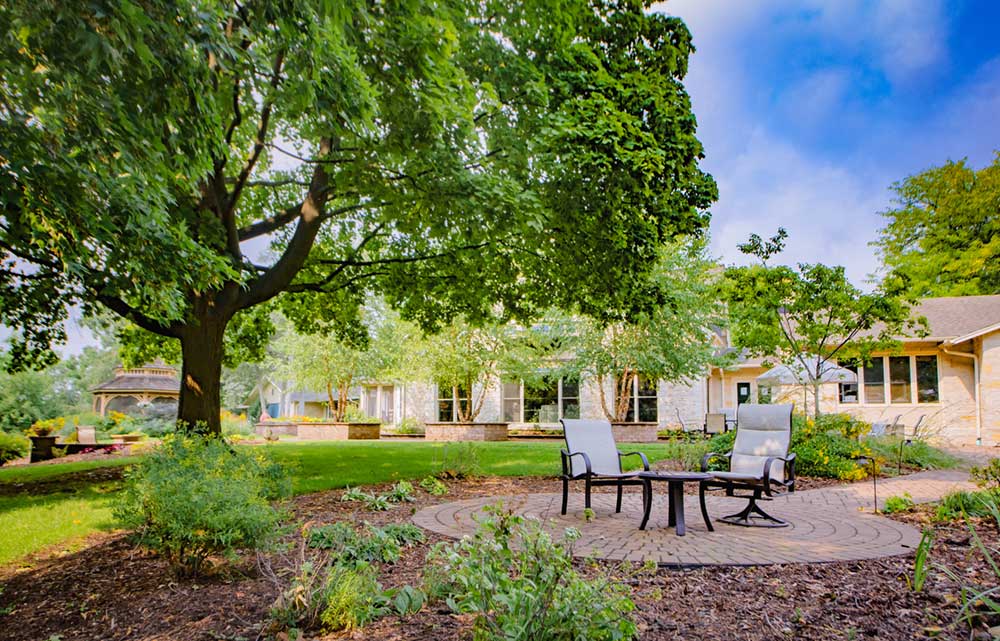
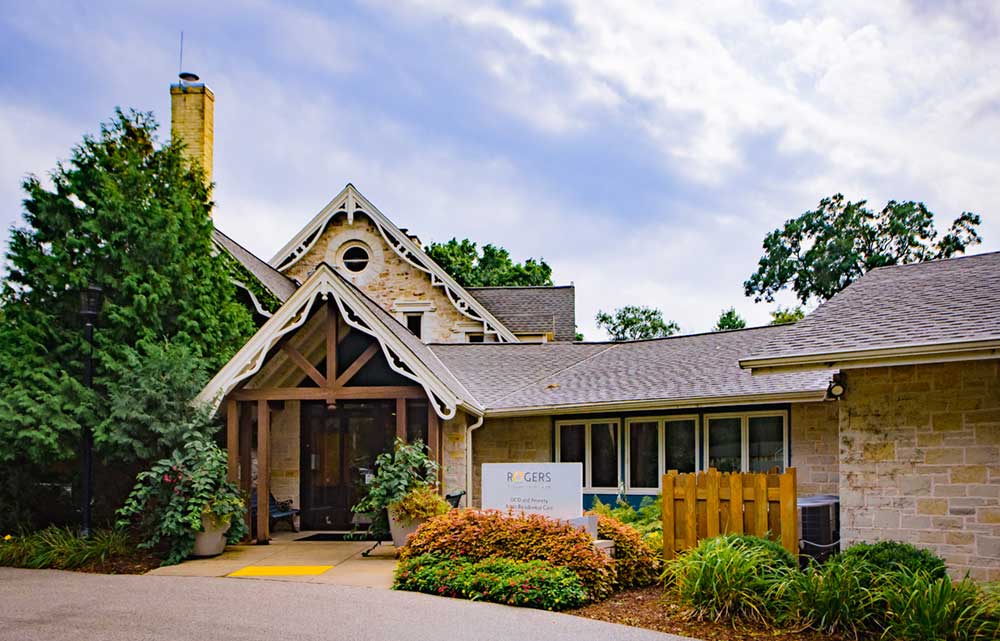
Nestled in the woods on a peninsula where Lower Nashotah and Upper Nemahbin lakes converge, our OCD and Anxiety adult residential care facility offers a quiet, secluded setting about a mile down the road from Rogers’ main Oconomowoc, Wisconsin, campus. The lodge-like facility is surrounded by therapeutic landscaping, walking trails, a gazebo, and an outdoor patio. Comfortable treatment and therapy areas, home-like community spaces, a dining hall and living areas with semi-private bedrooms create a supportive environment.
CLICK ON THE IMAGES TO VIEW LARGER.
CRext2.jpg
CRext1.jpg
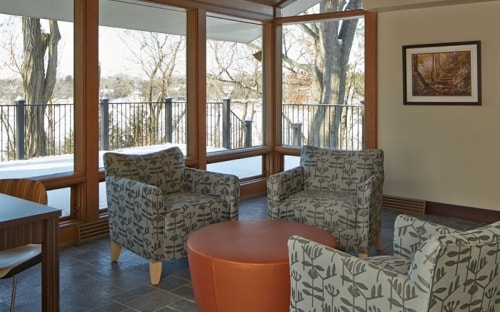
Solarium
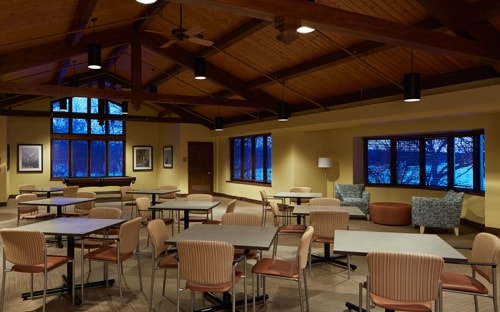
Dining
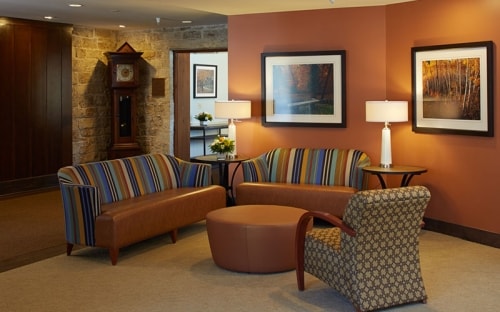
Entry
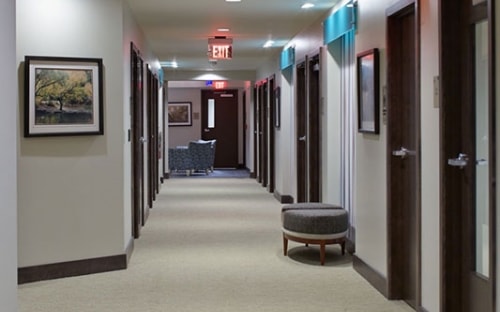
Corridor
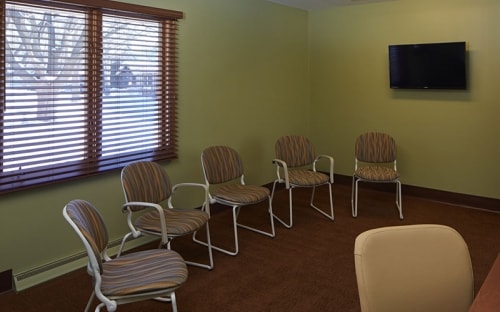
Group Room
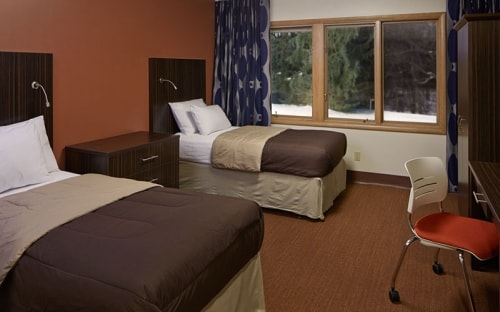
Bedroom
Wondering if you could benefit from residential treatment?
Contact us to request a free confidential screening and learn more.
Call 800-767-4411
Next Steps



Successful Clinical Outcomes
Data collected before and after treatment shows Rogers' treatment works. View more successful outcomes.
Yale-Brown Obsessive Compulsive Scale
Rising Above the Stigma of Mental Health Treatment
Craig was 51 years old when he received residential treatment for the OCD and anxiety he had struggled with since childhood. Craig says besides ... Read More
Share your Rogers experience
Have you or a loved one spent time at Rogers? We’d like to hear about your experience with us. Share your story.